

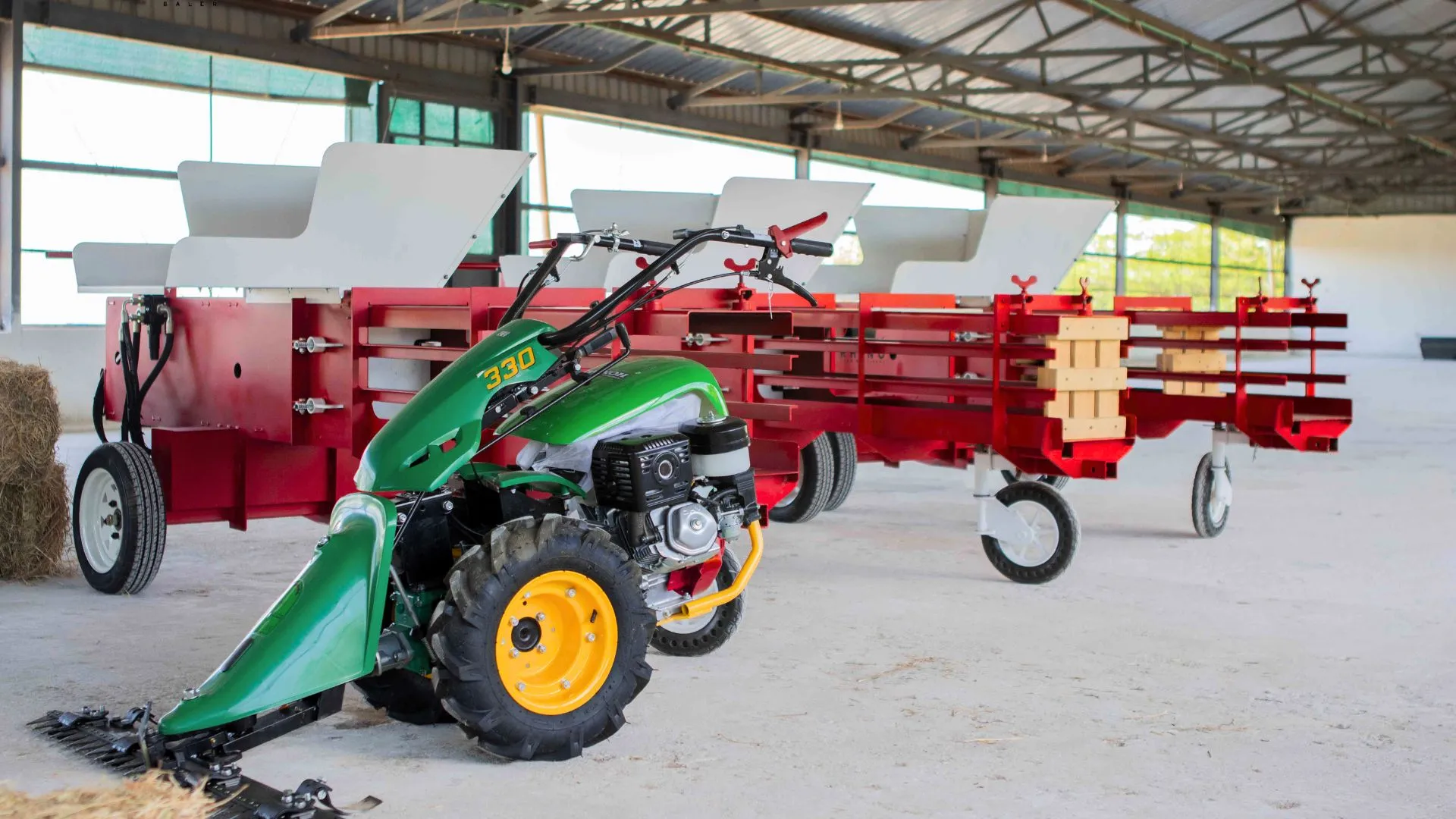
Hay management and storage is a vital part of livestock farming, especially in arid regions where drought can cause feed shortages and increase costs significantly. The Rhino Baler Project addresses a crucial need for Kenyan farmers by offering an affordable, motorized baler that brings efficiency to hay conservation and management. This solution is geared specifically toward livestock keepers in Kajiado County and surrounding regions, where traditional baling equipment is often inaccessible.
Kenya is home to over a million farmers, and only 20% currently have access to a baler, with an estimated 80% unable to afford the existing options. With the Rhino Baler priced accessibly, around 40% of these farmers are likely to afford and benefit from it. This untapped demand highlights the significant growth potential for the Rhino Baler Project, particularly if partnerships are formed with organizations various organizations to broaden distribution.
The Rhino Baler Project aims to provide a middle ground: an affordable motorized baler that consumes less manpower and fuel, making it a practical alternative to the expensive mechanized balers and the slower, manual wooden or metal balers.
Andrew Koriata, a supplier of manual balers, has expressed interest in partnering to bring the Rhino Baler to market. His experience with the Kenya Farmers Association (KFA), where he has already sold over 600 manual balers, we sat down with him for a conversation on the how the current market looks like.
The Need for Change
Jerome: Why don’t farmers currently own balers?
Andrew: “The prices of mechanical balers are too high because one needs a tractor and other costly equipment. Manual options, though affordable, take more time and labor, which isn’t always feasible, especially during drought seasons.”
Jerome: How does your baler compare to these alternatives?
Andrew: “It’s faster and easier to operate since it runs on gasoline and saves both time and labor, providing a significant advantage over manual options.”
The Ideal Customer
Jerome: Who Benefits Most from the Rhino Baler?
Andrew: “The ideal customer for the Rhino Baler is a livestock keeper with significant land holdings, typically between 50 and 300 acres, who recognizes the benefits of hay management and the value of having a reliable feed source during dry spells. Most of these farmers have diversified sources of income through sales of milk, beef, and breeding stock, with an annual income ranging between Ksh 400,000 and Ksh 1 million. For these farmers, the Rhino Baler offers a practical, scalable solution to reduce losses from feed shortages and improve their livestock’s health and market value.”
A Farmer’s Experience
Jerome: What has been the impact of not having a baler during drought seasons?
Andrew: “Back in 2017, I lost nearly 46 cows due to drought. I bought over 500 bales of hay, but it wasn’t enough to save them. The costs depleted all my funds before the drought season ended. This experience showed me the value of being prepared with stored hay.”
Interest in Partnership
Jerome: How has the market responded to the introduction of manual balers?
Andrew: “Since December 2020, I’ve sold an average of 30 balers monthly, with distribution support from KFA’s 27 branches across Kenya. The market is receptive, and I believe motorized options like the Rhino Baler would be even more appealing.”
Jerome: Is there potential for market expansion and adoption of the Rhino Baler?
Andrew: “The Rhino Baler has significant potential to scale within Kenya, and there’s an opportunity to expand further into neighboring countries with similar livestock farming challenges. This Rhino Baler presents a breakthrough in hay management, providing livestock farmers with a cost-effective, efficient solution to conserve hay and maintain feed availability during tough seasons. For farmers in drought-prone areas, this could mean the difference between profit and loss, enabling them to protect their herds and sustain their livelihoods.